Case Details
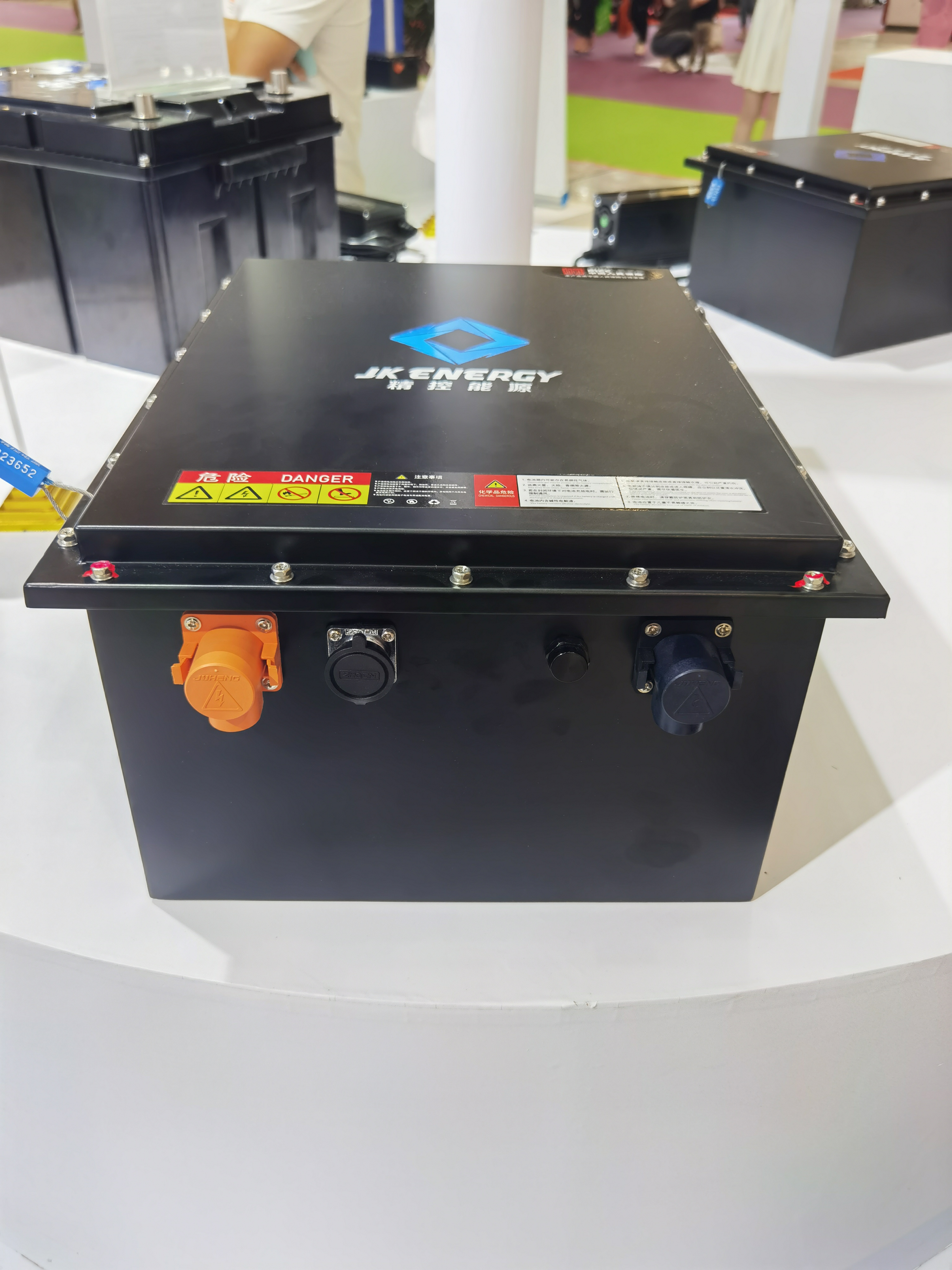
Application of 150A in Low-Speed Electric Vehicle Power Batteries
The 150-ampere (A) rating plays a critical role in the performance and reliability of low-speed electric vehicles (LSEVs), such as golf carts, utility vehicles, and neighborhood electric vehicles. This current rating primarily defines the maximum continuous discharge capability of the battery system, directly influencing the vehicle's acceleration, load-handling, and ability to navigate inclines or rough terrain.
Technical Integration and Specifications
In practical applications, a 150A continuous discharge current is commonly supported by lithium-ion battery packs with voltages of 72V, 96V, or 48V and capacities of 150Ah. These systems often use High-grade LiFePO4 cells and are equipped with a robust Battery Management System (BMS) rated for 150A. The BMS is crucial for monitoring and protecting the battery, ensuring safe operation by managing parameters like voltage, temperature, and cell balancing, thereby preventing overcurrent conditions that could damage the battery or pose safety risks. Such batteries can store substantial energy, for example, a 72V 150Ah pack provides about 10.8 kWh, enabling extended range per charge.
Performance Advantages
The capability to deliver a sustained 150A current ensures that LSEVs can achieve faster acceleration and maintain consistent power delivery, even under demanding conditions like carrying heavy loads or climbing slopes. Furthermore, batteries designed for high continuous discharge currents like 150A often support even higher peak currents (e.g., 250A-400A for short bursts) to meet the high power demands of sudden acceleration or steep hill climbs. This robust power output, combined with the high energy density of lithium batteries, contributes significantly to the vehicle's extended driving range.
Comparison with Alternative Technologies
When compared to traditional lead-acid batteries, lithium batteries with 150A discharge capabilities offer a considerable advantage in terms of weight reduction (approximately 50% lighter) and a significantly longer cycle life (over 4000 cycles for lithium vs. 300-500 for lead-acid). This translates to lower long-term ownership costs and less frequent replacements.

